The Farm
The land, the animals, and the dairy.
The Land
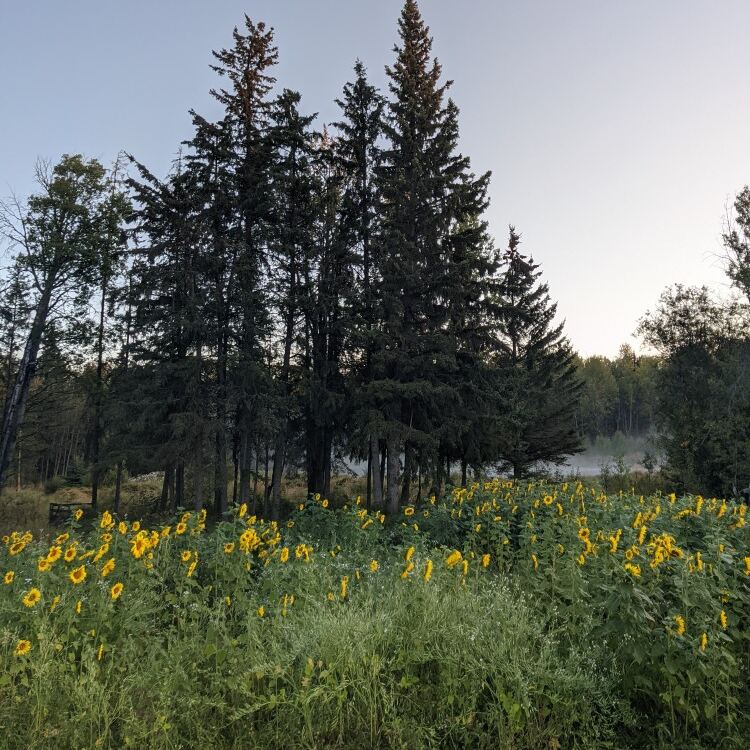
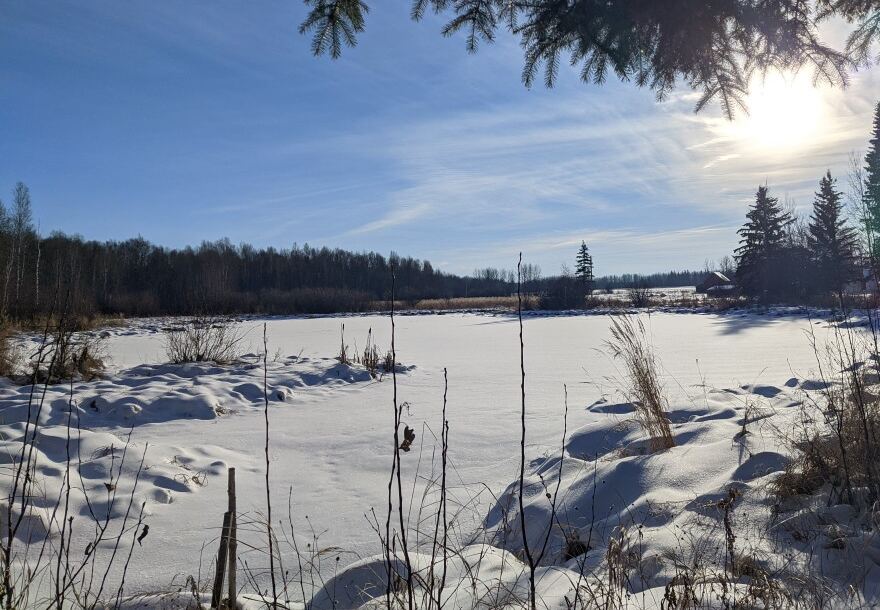
A quarter section of mixed pasture, hayfield, and forest in Athabasca County, about an hour north of Edmonton, backing onto crown land. Grassland birds, pollinators, native plants. Everything downstream — the milk, the meat, the eggs — starts with this ground.
Rotational grazing, no synthetic inputs, and soil organic matter building year over year.
The Dairy
The morning starts with the cows.
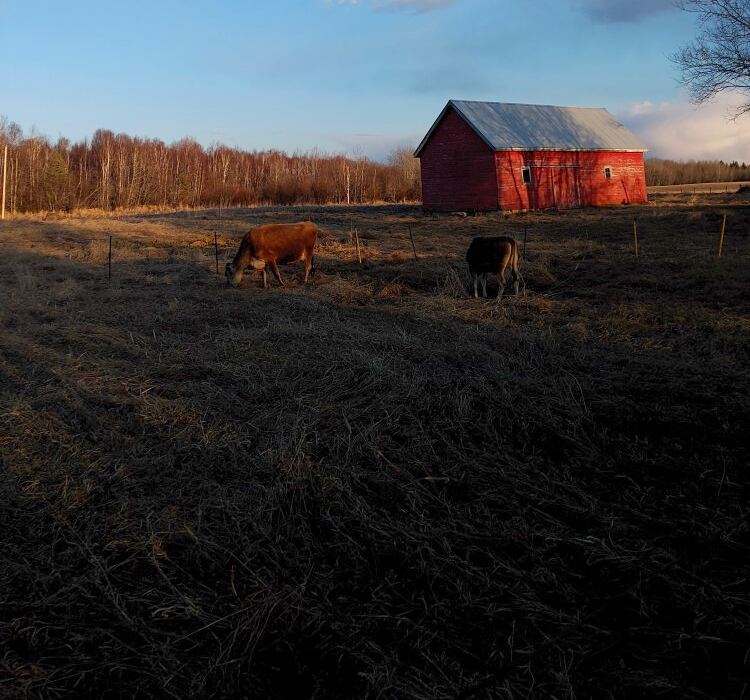
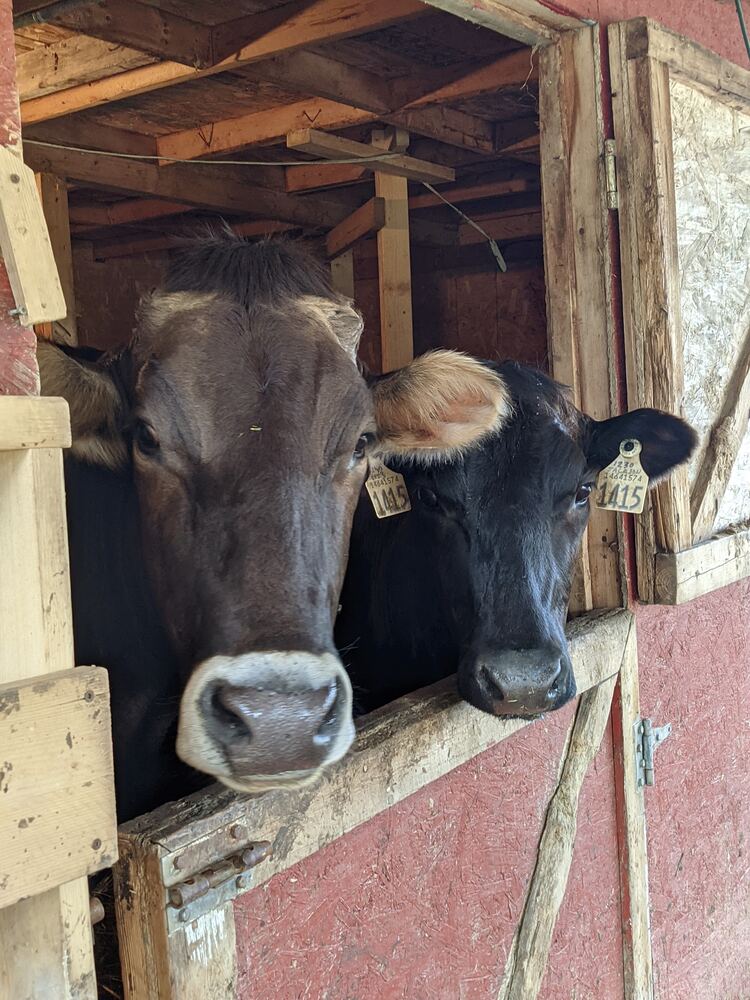
We milk two cows daily with a third coming along. Brown Swiss, Jersey, and Holstein crosses — A2A2 protein, BB kappa-casein. Exceptional milk for drinking and cheese making. Pasture in the summer, hay in the winter — from our own fields and carefully sourced local producers. We're selective about what goes in.
From the milk: butter, cream, yogurt, and cheese — soft and hard. All equipment sanitized with hypochlorous acid, the same molecule your white blood cells produce. Generated from salt, water, and electricity. Breaks down to salt water. No residue.
Pastured Poultry & Livestock
We couldn't find clean chicken. So we raised our own.
Meat birds on pasture. No corn, no soy, no canola in the feed.
Laying hens free-range across the property all day and put themselves back in the coop at night. Eggs from birds that spend their day foraging look the part — yolks a deep, dark orange, not the pale yellow of a grain-only diet.
Sheep are earning their place here two ways. Right now it's mostly meat — lamb raised on grass, clover and forest edge. We're also gradually adding fiber breeds alongside the meat flock. But the sheep may matter most for what they do to the ground: they graze differently than cattle, cleaning up what the cows pass over, and pasture that carries both is healthier than pasture that carries either alone.
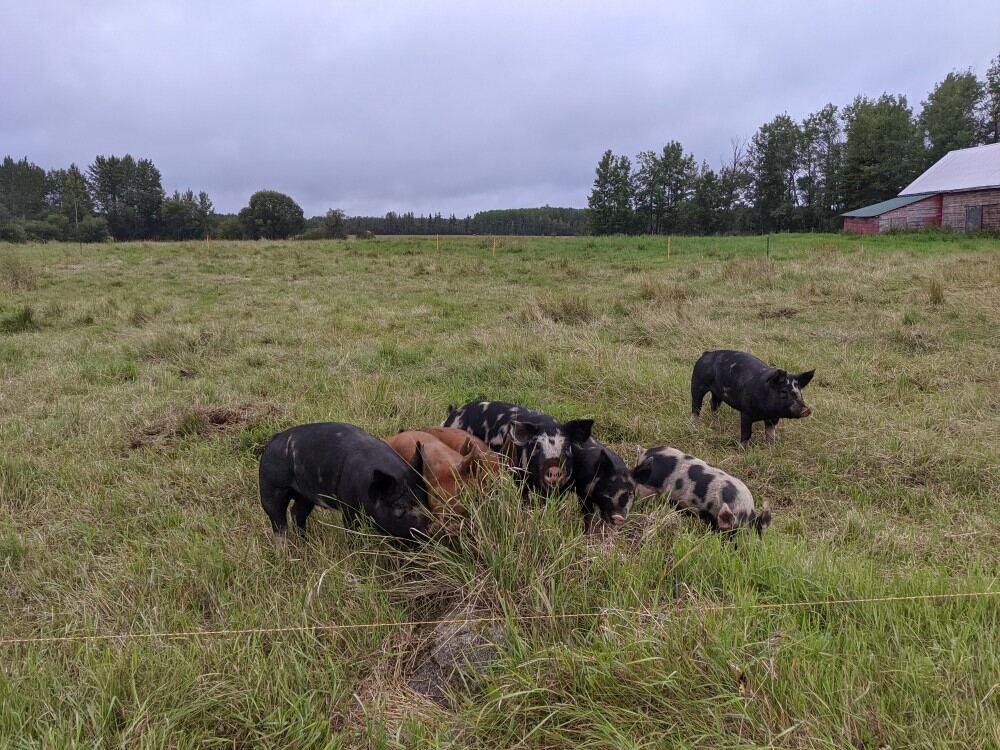
We also raise pigs on pasture, fed the same way — organically, on a species-appropriate diet.
What we do and don't do — feed, vaccines, inputs, all of it — is written down on the practices page.